
Fruit & Fit on a Budget: Your Complete Guide to Affordable Healthy Eating
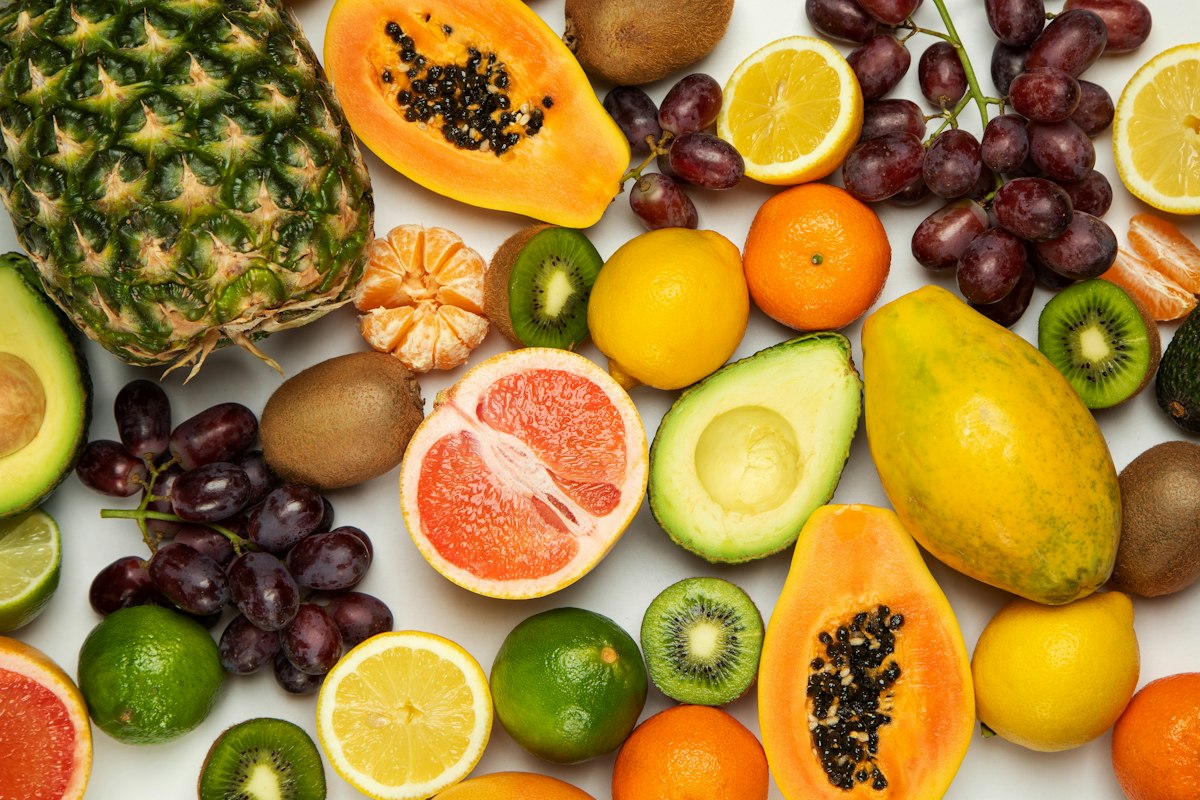
Eating Healthy Doesn't Have to Break the Bank
Let's face it – we've all been there. Standing in the grocery store, looking at the price tags on organic berries and fresh produce, wondering if eating healthy means we need to choose between our health and our wallet. I'm here to tell you that's simply not true!
After years of trial and error, I've discovered that maintaining a fruit-filled, fitness-focused lifestyle on a budget is not only possible – it's actually quite simple once you know the tricks. In this comprehensive guide, I'll share everything I've learned about getting the most nutrition for your money.
Why Fruits Are Essential for Your Fitness Journey
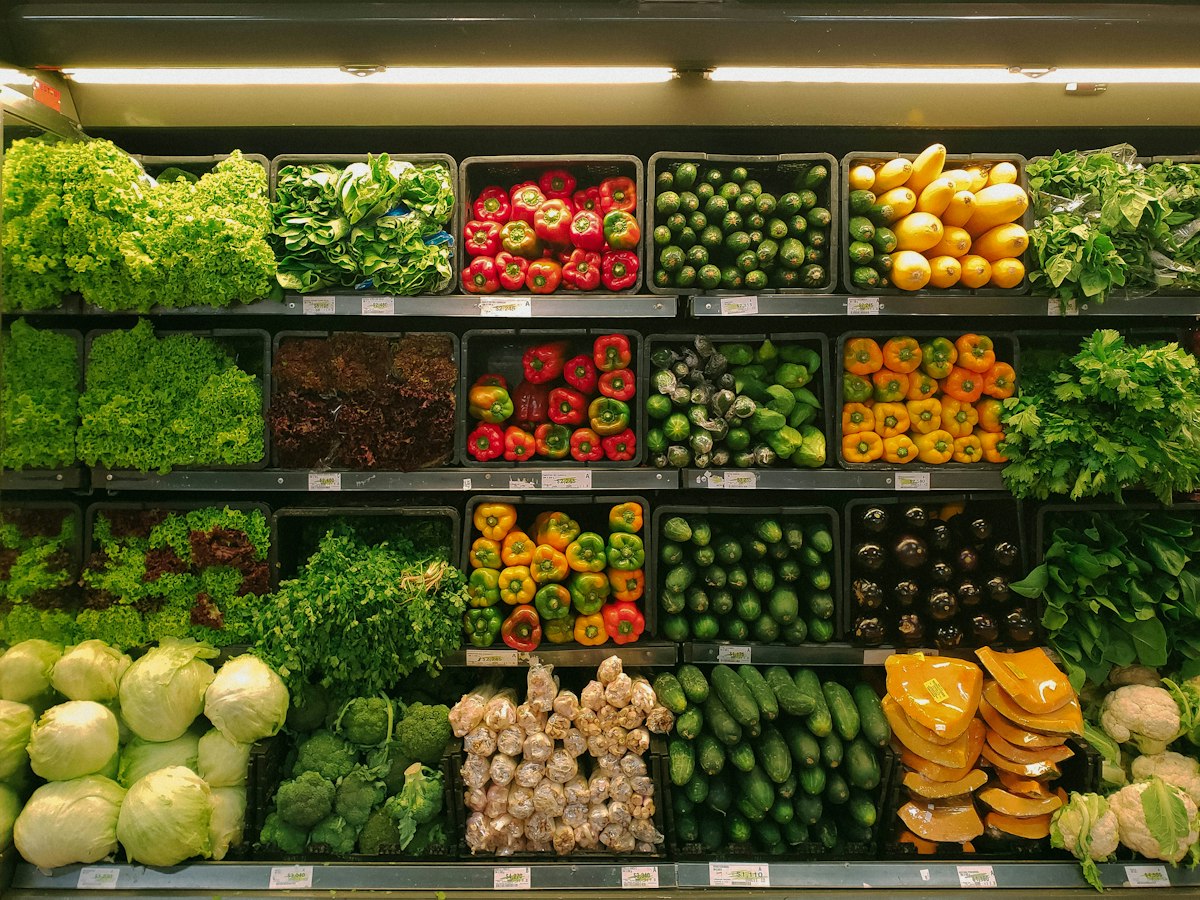
Before we dive into the money-saving strategies, let's talk about why fruits deserve a starring role in your diet:
Natural Energy Boosters: Fruits provide quick, sustainable energy through natural sugars, perfect for pre-workout fuel or mid-afternoon pick-me-ups.
Packed with Nutrients: They're loaded with vitamins, minerals, antioxidants, and fibre that support everything from immune function to muscle recovery.
Hydration Heroes: Many fruits have high water content, helping you stay hydrated throughout your fitness routine.
Weight Management: Low in calories but high in volume and fibre, fruits help you feel full longer without overloading on calories.
The Budget-Friendly Fruit Shopping Strategy
1. Buy Seasonal Produce
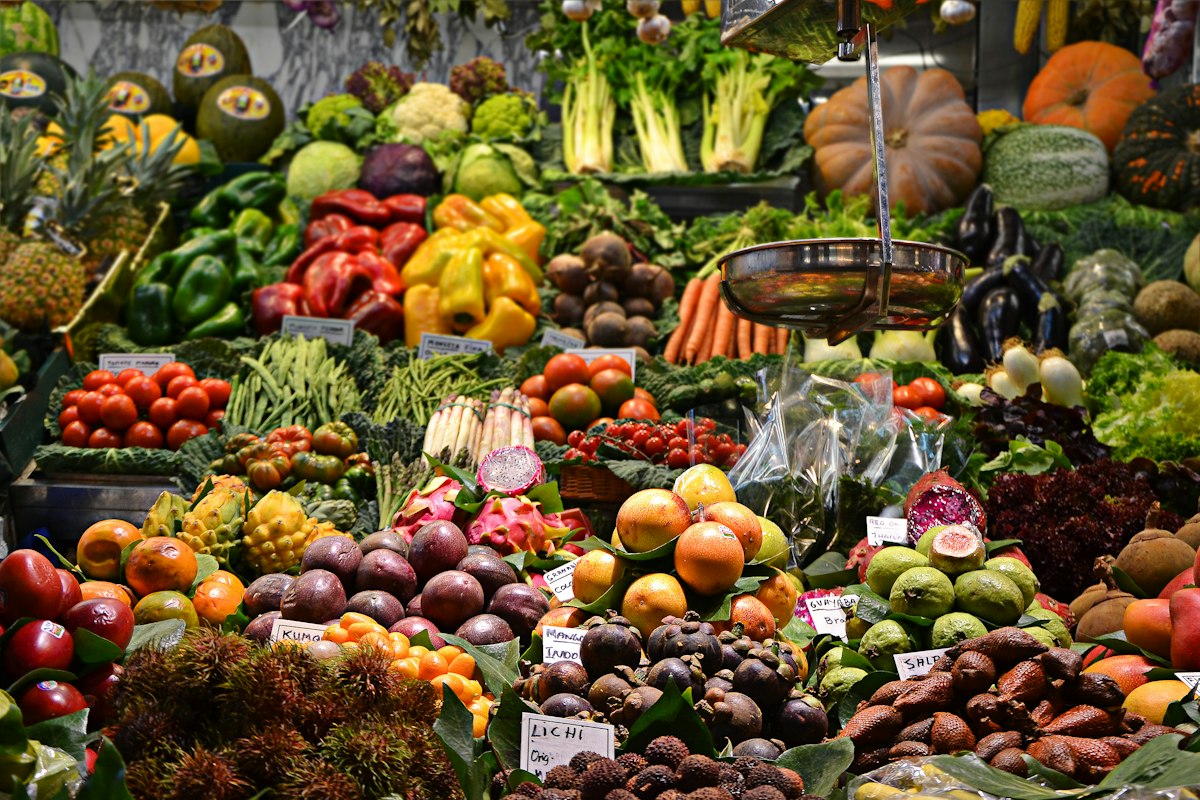
This is hands-down the most effective way to save money on fruits. When fruits are in season, they're abundant, which means lower prices and better quality.
Spring Favourites:
- Strawberries
- Pineapple
- Apricots
- Mango
Summer Bounty:
- Watermelon
- Peaches
- Blueberries
- Cherries
Fall Harvest:
- Apples
- Pears
- Grapes
- Pomegranates
Winter Picks:
- Citrus fruits (oranges, grapefruits, clementines)
- Kiwi
- Persimmons
2. Shop at LocaFarmers ' Markets

I cannot stress this enough: farmers' markets are budget-friendly goldmines! Here's why:
- Prices are often 20-40% lower than those in supermarkets
- You can negotiate, especially near closing time
- No middleman markup
- Ultra-fresh produce that lasts longer
- You're supporting local agriculture
Pro tip: Visit the market an hour before closing. Many vendors prefer to sell their remaining stock at discounted prices rather than pack it all back up.
3. Embrace Frozen Fruits

Don't sleep on the frozen aisle! Frozen fruits are:
- Often cheaper than fresh
- Picked and frozen at peak ripeness
- No waste – use only what you need
- Perfect for smoothies, oatmeal, and baking
- Available year-round
My freezer is always stocked with frozen blueberries, strawberries, and mixed berries. They're perfect for my morning smoothie bowls!
4. Buy in Bulk (When It Makes Sense)

Buying in bulk works great for:
- Bananas (freeze overripe ones for smoothies)
- Apples (store properly, they last weeks)
- Oranges and citrus fruits
- Grapes (can be frozen for snacks)
Storage tip: Don't wash fruits until you're ready to eat them. Moisture accelerates spoilage.
Budget-Friendly Fruits That Pack the Biggest Nutritional Punch
Bananas: The Ultimate Budget Fruit
At roughly $0.50 per pound, bananas are the cheapest fruit out there. They're packed with potassium and vitamin B6and provide quick energy for workouts.
Budget hack: Buy bananas at different ripeness levels to ensure they don't all go bad at once. Freeze overripe bananas for "nice cream" or smoothies.
Apples: Affordable Year-Round
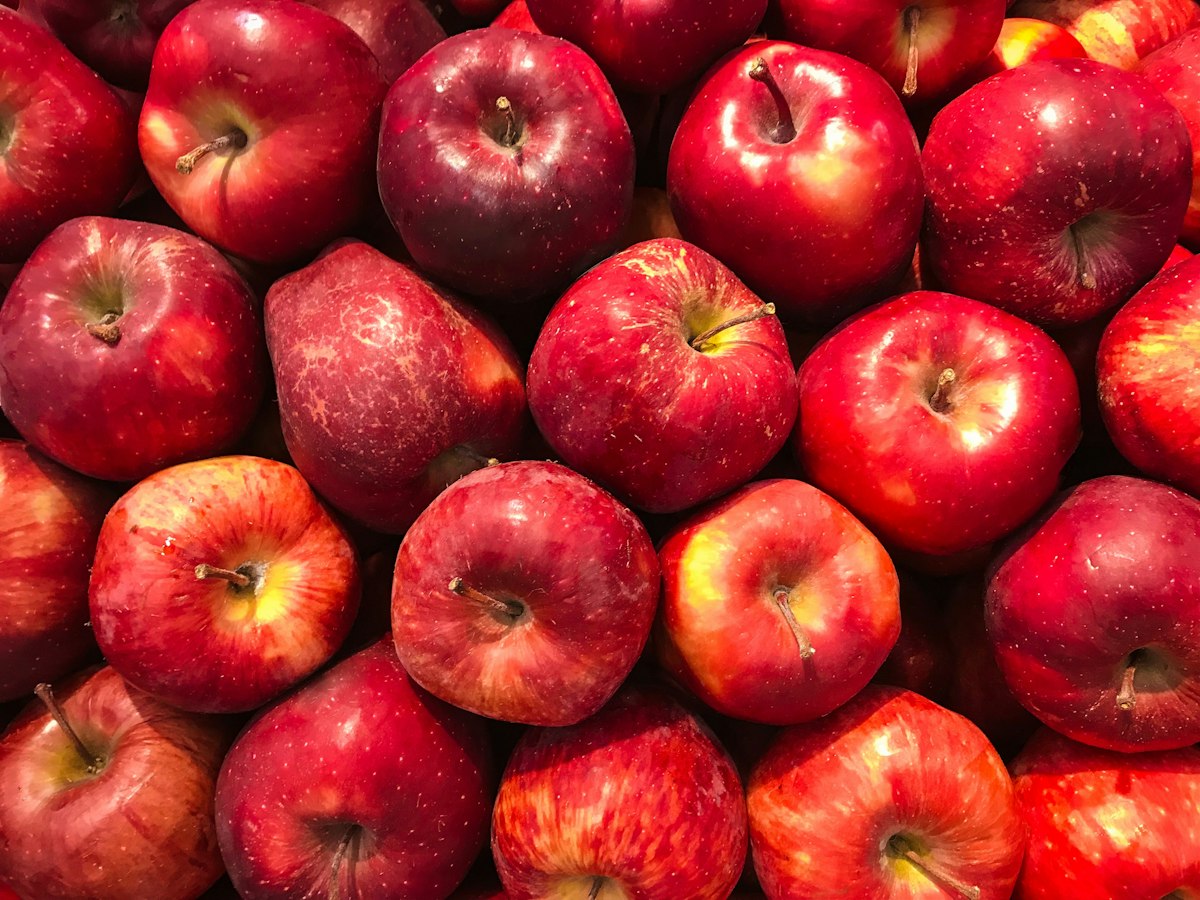
Apples are incredibly versatile and usually available for $1-2 per pound. They're high in fibre and antioxidants, and they keep well in the refrigerator for weeks.
Oranges and Citrus
Especially cheap in winter months, citrus fruits provide immune-boosting vitamin C and are incredibly refreshing post-workout.
Watermelon: Summer Hydration Hero

When in season, watermelon costs pennies per serving. It's 92% water, making it perfect for hydration, and it's loaded with lycopene.
Smart Shopping Habits That Save Money
Create a Meal Plan
Before you shop, plan your week's meals and snacks. This prevents impulse purchases and food waste.
Sample Weekly Fruit Budget Plan ($15-20):
- 6 bananas: $1.50
- 3 lbs apples: $4.50
- Bag of frozen berries: $3.00
- 1 watermelon (in season): $5.00
- 5 oranges: $3.00
- Grapes (1 lb): $2.50
Compare Unit Prices
Always check the unit price (price per pound or ounce) rather than the package price. Sometimes the "family size" isn't actually the better deal.
Join Store Loyalty Programs
Most grocery stores offer free loyalty cards with exclusive discounts and digital coupons specifically for produce.
Shop Discount Grocery Stores
Stores like Aldi, Lidl, and Save-A-Lot often have produce prices 30-50% lower than traditional supermarkets.
Preventing Food Waste: Making Your Fruits Last Longer

Wasting food is wasting money. Here's how to maximise your fruit's lifespan:
Storage Tips:
- Keep berries unwashed in the fridge
- Store apples in the crisper drawer
- Keep bananas away from other fruits (they emit ethylene gas)
- Wash and prep fruits only when ready to eat
- Use airtight containers for cut fruits
Rescue Overripe Fruits:
- Make smoothies
- Freeze for later use
- Create fruit leather
- Bake into muffins or bread
- Make natural fruit jam
Budget-Friendly Fruit Recipes for Fitness Enthusiasts
Power-Packed Breakfast Smoothie Bowl

Ingredients (Cost: ~$2.00):
- 1 frozen banana
- 1 cup frozen berries
- 1/2 cup water or milk alternative
- Toppings: sliced banana, granola
Directions:
Blend frozen fruits with liquid until thick. Pour into a bowl and add your favourite toppings.
Post-Workout Apple "Nachos"
Ingredients (Cost: ~$1.50):
- 1 large apple, sliced
- 2 tbsp peanut butter
- Sprinkle of granola or nuts
- Drizzle of honey (optional)
Directions:
Arrange apple slices on a plate, drizzle with peanut butter, and add toppings.
Hydrating Watermelon-Mint Refresher

Ingredients (Cost: ~$1.00):
- 2 cups cubed watermelon
- Fresh mint leaves
- Squeeze of lime
Directions:
Blend watermelon until smooth, strain if desired, add mint and lime. Perfect post-workout hydration!
Growing Your Own Fruits: The Ultimate Budget Hack
If you have even a small outdoor space or sunny window, consider growing:
Easy Fruits for Beginners:
- Strawberries: Grow in containers, produce all summer
- Blueberries: Great for pots, perennial plants
- Tomatoes: Technically a fruit, incredibly productive
- Herbs: While not fruits, they enhance fruit dishes
Initial investment pays off within one growing season!
Money-Saving Apps and Resources

Technology can help you save even more:
Recommended Apps:
- Ibotta: Cash back on groceries
- Fetch Rewards: Scan receipts for points
- Flipp: Browse weekly ads and find the best deals
- Too Good To Go: Rescue surplus food at discounted prices
Building a Fitness Routine That Complements Your Budget Diet

Your budget-friendly fruit intake supports an equally affordable fitness routine:
Free Fitness Options:
- YouTube workout videos
- Running or walking outdoors
- Bodyweight exercises at home
- Community fitness classes
- Free trial periods at gyms
Real-Life Success Story
When I first started my health journey, I was a college student on a tight budget. I couldn't afford expensive superfoods or gym memberships. But by implementing these strategies – shopping seasonally, buying frozen, and hitting up farmers markets – I cut my food costs by 40% while actually eating MORE fruits and vegetables than ever before.
My energy levels soared, my fitness improved, and I proved to myself that healthy living isn't a luxury reserved for the wealthy – it's accessible to everyone willing to be smart and strategic.
Common Mistakes to Avoid

Don't:
- Buy organic unless it's on the "Dirty Dozen" list and priced similarly
- Shop hungry (leads to impulse purchases)
- Ignore imperfect produce (often discounted and just as nutritious)
- Forgot to check the clearance produce section
- Waste edible parts (apple cores for compost, citrus peels for zest)
Monthly Budget Breakdown: What $50 Can Get You
Here's a realistic monthly fruit budget for one person:
Week 1: $12
- Bananas, seasonal apples, frozen berries, and oranges
Week 2: $13
- Watermelon (in season), grapes, bananas, frozen mango
Week 3: $12
- Pears, grapefruit, frozen strawberries, bananas
Week 4: $13
- Seasonal fruit on sale, bananas, frozen mixed berries
Total: $50/month for abundant, varied fruits!
Your Journey to Affordable Health Starts Today

Eating fruits and maintaining fitness on a budget isn't just possible – it's a sustainable lifestyle that anyone can adopt. The key is being intentional with your shopping, creative with your meal planning, and flexible with your fruit choices based on what's affordable and in season.
Remember, the most expensive diet is the one you can't stick to. By making healthy eating affordable, you're setting yourself up for long-term success.
Start small. Pick just two or three strategies from this guide and implement them this week. Maybe it's visiting a farmers market for the first time, or buying your berries frozen instead of fresh. Small changes add up to significant savings and better health.
Your body is worth the investment, and that investment doesn't have to empty your wallet.
Your Turn!
What are your favourite budget-friendly fruits? Do you have any money-saving tips I didn't mention? Drop a comment below – I'd love to hear your strategy and favourite affordable recipes!
Don't forget to subscribe for more budget-friendly health and fitness tips delivered straight to your inbox every week!
Disclaimer: This post contains strategies based on personal experience and research. Individual results may vary. Always consult with a healthcare provider before making significant dietary changes.